- Welcome To PROTECH AIR SYSTEMS PVT. LTD.
- +91 9825634508
- +91 9909042036
- info@protechair.net

Dynamic Pass Box Manufacturers in India: Complete Guide for Cleanroom Applications
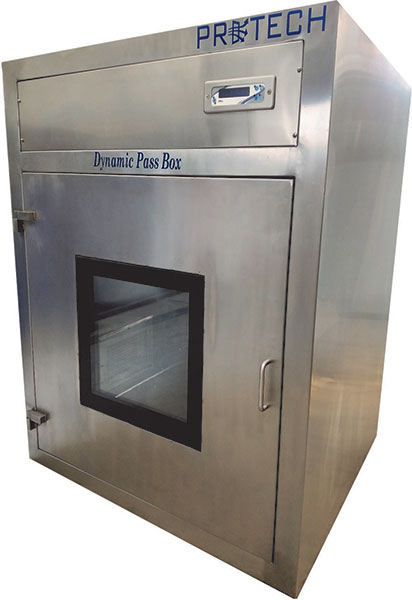
In pharmaceutical manufacturing, biotechnology research, and cleanroom environments, maintaining contamination control during material transfer is critical. Dynamic pass boxes use a pressurized airlock system to transfer materials between clean rooms without compromising the integrity of the clean room environment. This comprehensive guide explores everything you need to know about dynamic pass box manufacturers in India and why choosing the right partner is essential for your facility.
Understanding Dynamic Pass Boxes
A dynamic pass box works like an airlock or laminar airflow unit, designed specifically for transferring materials between cleanrooms of different classifications or between controlled and uncontrolled environments. Unlike static pass boxes, dynamic pass boxes are equipped with built-in HEPA or ULPA filters, ensuring the removal of particles and microorganisms from the materials being transferred.
Dynamic pass boxes have built-in blower and filter and can provide ISO Class 5/Grade A clean air within the unit, making them essential equipment for pharmaceutical, biotechnology, semiconductor, and healthcare facilities where contamination control is paramount.
Dynamic Pass Box vs Static Pass Box: Key Differences
Understanding the distinction between dynamic and static pass boxes helps you make the right choice for your facility:
Static Pass Box Features
- Basic interlocking door mechanism
- UV light for surface decontamination
- No active air filtration system
- Suitable for non-critical material transfer
- Lower initial investment
- Simple maintenance requirements
Dynamic Pass Box Features
- Built-in HEPA or ULPA filters for active air purification
- Integrated blower system for positive pressure
- UV light and electromagnetic interlocking
- Provides ISO Class 5/Grade A air quality
- Higher contamination control standards
- Essential for critical pharmaceutical operations
- Suitable for transferring materials between different cleanroom grades
A dynamic cleanroom pass-through box works like an airlock or laminar airflow unit. Clean air enters the box system and prevents contamination, making it the preferred choice for pharmaceutical manufacturing facilities.
Types of Dynamic Pass Boxes
These boxes may be cascade, sink, or bubble type, similar to airlocks in pharmaceuticals. Leading manufacturers in India offer various types to meet specific application requirements:
Cascade Type Dynamic Pass Box
Designed for material transfer from higher-grade cleanrooms to lower-grade areas. Air flows in a cascade pattern, maintaining a positive pressure differential.
Sink Type Dynamic Pass Box
Used when transferring materials from lower-grade areas to higher-grade cleanrooms. Creates negative pressure in the pass box relative to the cleaner side.
Bubble Type Dynamic Pass Box
Maintains positive pressure relative to both adjacent rooms, creating a contamination barrier during material transfer.
Floor-Mounted Dynamic Pass Box (Dynamic Floor Laminar Hatch)
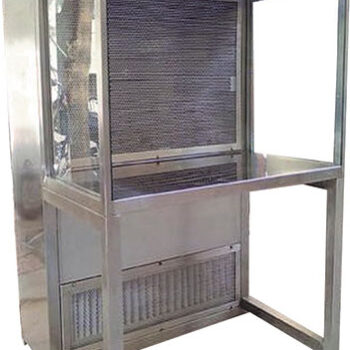
During operation, room air is drawn to the DPB/DFLH unit and passed through filters, providing vertical laminar airflow for transferring materials between different floor levels.
Key Features of Quality Dynamic Pass Boxes
Leading dynamic pass box manufacturers in India incorporate industry-leading features:
Advanced HEPA/ULPA Filtration: The Dynamic pass box is equipped with a suction HEPA filter of around 0.3 microns, ensuring 99.99% particle removal efficiency for superior contamination control.
Electromagnetic Interlocking System: Prevents both doors from opening simultaneously, maintaining pressure differentials and preventing cross-contamination between cleanroom zones.
Stainless Steel Construction: Stainless steel Pass Box with and without HEPA filters, equipped with UV light and electromagnetic interlock arrangement, ensures durability, easy cleaning, and resistance to chemical corrosion.
UV Sterilization: Germicidal UV lamps provide additional decontamination between transfer cycles, killing surface bacteria and microorganisms.
Digital Control Panel: User-friendly microprocessor-based controls with digital displays for monitoring airflow, pressure differentials, and filter status.
Pressure Differential Indicators: Real-time monitoring ensures proper pressure cascade between connected cleanroom zones.
Audible and Visual Alarms: Alert operators to door open status, filter saturation, pressure loss, or system malfunctions.
Customizable Sizes: Customized sizes are also available at a reasonable price in India to fit specific facility requirements and material transfer needs.
Applications of Dynamic Pass Boxes in Indian Industries
Dynamic pass box manufacturers in India serve critical applications across various sectors:
Pharmaceutical Manufacturing
- Transferring raw materials, APIs, and finished products between production zones
- Moving sterile components between filling rooms and packaging areas
- Maintaining Grade A to Grade D cleanroom segregation
- Preventing cross-contamination during aseptic processing
Biotechnology and Life Sciences
- Transferring cell cultures, biologics, and sensitive research materials
- Moving samples between biosafety levels
- Protecting valuable research from environmental contamination
Semiconductor Manufacturing
In semiconductor manufacturing, even the slightest contamination can lead to defective products. Dynamic Pass Boxes are used to transfer wafers, tools, and other sensitive materials between cleanrooms and production areas.
Healthcare and Hospitals
- Transferring sterile instruments between the sterilization and operating rooms
- Moving laboratory samples between testing areas
- Maintaining infection control protocols
Food and Beverage Industry
- Transferring packaged products between processing and packaging cleanrooms
- Maintaining hygiene standards during material transfer
- Preventing microbial contamination
ISO 14644 Standards and Compliance
ISO 14644-1:2015 specifies the classification of air cleanliness in terms of concentration of airborne particles in cleanrooms and clean zones. Dynamic pass boxes manufactured in India must comply with these international standards to ensure proper contamination control.
Reputable manufacturers ensure compliance with:
- ISO 14644-1: Cleanroom classification standards for air cleanliness
- ISO 14644-2: Specifications for testing and monitoring cleanrooms
- ISO 14644-4: Design, construction and start-up guidelines
- cGMP Guidelines: Current Good Manufacturing Practices for Pharmaceutical Facilities
- EU GMP Annex 1: European guidelines for sterile medicinal products
Only particle populations having cumulative distributions based on threshold (lower limit) particle sizes ranging from 0.1 µm to 5 µm are considered for classification purposes, ensuring precise contamination control.
Design Considerations for Dynamic Pass Boxes
When specifying a dynamic pass box from manufacturers in India, consider these design factors:
Cleanroom Classification Requirements: Match the pass box capabilities to your cleanroom grades. A pass box transferring between Grade A and Grade C requires different specifications than one between Grade D and uncontrolled areas.
Material Size and Weight: Determine the internal dimensions needed to accommodate your largest routine transfers. Manufacturers offer customized sizes from compact units to large-format pass boxes.
Wall Thickness and Installation: Ensure adequate wall thickness (typically 200-300mm) for proper installation and sealing. Professional installation support ensures seamless integration.
Pressure Differential Requirements: Calculate required pressure cascades based on cleanroom design. Typical differentials range from 10-15 Pascals between adjacent zones.
Material Compatibility: Stainless steel construction (SS304 or SS316) ensures compatibility with cleaning agents and pharmaceutical processes.
Accessibility and Ergonomics: Position the pass box at a comfortable working height (typically 900-1100mm from floor) for operator convenience.
Electrical Requirements: Ensure adequate power supply for blower systems, UV lamps, and control panels (typically 220V, single-phase).
Installation and Commissioning Services
Proper installation ensures optimal performance and compliance. Leading dynamic pass box manufacturers in India provide comprehensive installation services:
Pre-Installation Requirements
- Wall opening preparation with proper dimensions
- Electrical connections and grounding
- Compressed air supply for pneumatic interlocks (if applicable)
- Access for maintenance and filter replacement
Installation Process
- Structural mounting and sealing
- HVAC integration for pressure control
- Electrical wiring and control panel connection
- Interlock system testing and calibration
Commissioning and Validation
- Airflow velocity testing (typically 0.36-0.54 m/s for laminar flow)
- HEPA filter integrity testing (DOP/PAO test)
- Pressure differential verification
- Interlock functionality testing
- UV lamp intensity measurement
- Particle count testing per ISO 14644-1
- Documentation and IQ/OQ/PQ protocols
Experienced technicians ensure your dynamic pass box meets all regulatory requirements and operates flawlessly from day one.
Maintenance and Operational Guidelines
Regular maintenance extends equipment life and ensures consistent performance:
Daily Operations
- Verify digital display readings for normal operation
- Check pressure differential indicators
- Inspect door seals for integrity
- Clean interior surfaces with approved disinfectants
- Document transfer activities in the logbook
Weekly Maintenance
- Clean UV lamps and replace when the intensity drops below 70%
- Inspect door gaskets and replace if damaged
- Verify interlock functionality
- Check alarm systems
Monthly Maintenance
- Monitor airflow velocity at designated points
- Inspect the HEPA filter condition
- Clean pre-filters (if equipped)
- Verify pressure transducer calibration
Annual Certification
- Comprehensive performance testing per ISO 14644-2
- HEPA filter integrity testing and replacement (typically 3-5 years)
- Interlock system recalibration
- Complete validation documentation
- Professional annual certification services from manufacturers
Troubleshooting Common Issues
Quick troubleshooting saves downtime and maintains compliance:
Low Airflow Velocity
- Check HEPA filter loading (replace if pressure drop exceeds specifications)
- Inspect the blower motor and belts
- Verify electrical supply voltage
- Clean pre-filters if equipped
Pressure Differential Loss
- Inspect door seals and gaskets for air leaks
- Verify the cleanroom pressure control system
- Check pressure transducer calibration
- Ensure proper room pressure cascade
Interlock Malfunction
- Test the electromagnetic lock power supply
- Inspect door sensor alignment
- Check the control panel connections
- Reset the system and verify the operation
UV Lamp Not Working
- Replace burnt-out lamps (typical life 8000-10000 hours)
- Check ballast and electrical connections
- Clean lamp surfaces for optimal UV transmission
For persistent issues or complex problems, manufacturer service teams provide rapid response support across India.
Future Trends in Dynamic Pass Box Technology
The cleanroom equipment industry in India continues evolving. Future developments include:
IoT Integration: Connected pass boxes with cloud-based monitoring, predictive maintenance alerts, and remote diagnostics.
Automated Material Handling: Robotic integration for contactless material transfer, reducing human intervention.
Advanced Monitoring: Real-time particle counting, microbial monitoring, and AI-driven contamination prediction.
Energy Efficiency: Variable speed drives, smart controls, and optimized filtration reduce operational costs.
Sustainable Design: Eco-friendly materials, energy recovery systems, and reduced environmental impact.
Progressive manufacturers continuously invest in R&D to bring these innovations to the Indian market.
Selecting the Right Dynamic Pass Box for Your Facility
Make informed decisions using this selection framework:
Assess Your Requirements
- Cleanroom grades are being connected
- Material types and sizes
- Transfer frequency
- Regulatory compliance needs
Evaluate Technical Specifications
- Required ISO class performance
- Pressure differential capabilities
- Filter efficiency and capacity
- Interlock sophistication
Consider Operational Factors
- Maintenance accessibility
- Training requirements
- Service availability
- Documentation needs
Budget and Timeline
- Initial investment capacity
- Installation timeline
- Operational cost projections
- Payback period
Experienced manufacturers guide you through this process, ensuring optimal equipment selection for your specific application.
Regional Manufacturing Hubs in India
India has several key manufacturing regions for cleanroom equipment:
Gujarat: Home to numerous pharmaceutical equipment manufacturers with strong export capabilities and proximity to major pharmaceutical clusters.
Maharashtra: Mumbai and Pune regions host manufacturers serving the pharmaceutical, biotechnology, and healthcare sectors.
Karnataka: Bangalore area specializes in high-tech cleanroom solutions for biotechnology and semiconductor industries.
Telangana: Hyderabad region focuses on pharmaceutical-grade equipment with strong R&D capabilities.
Training and Operator Competency
Effective operation requires trained personnel. Quality manufacturers provide:
Initial Training
- Equipment operation and controls
- Contamination control principles
- Proper material transfer techniques
- Emergency procedures
- Documentation requirements
Ongoing Education
- Refresher training annually
- Updates on regulatory changes
- Troubleshooting skills development
- Best practices sharing
Competency Assessment
- Written examinations
- Practical demonstrations
- Performance monitoring
- Certification programs
Investing in operator training maximizes equipment effectiveness and compliance assurance.
Quality Certifications to Verify
When evaluating dynamic pass box manufacturers in India, verify these certifications:
- ISO 9001:2015 for quality management systems
- ISO 14001 for environmental management
- ISO 45001 for occupational health and safety
- CE marking for European market compliance
- cGMP certification for pharmaceutical applications
- NABL accreditation for testing laboratories
These certifications demonstrate a manufacturer’s commitment to quality and continuous improvement.
Conclusion
Dynamic pass boxes use a pressurized airlock system to transfer materials between clean rooms without compromising the integrity of the clean room environment, making them indispensable for pharmaceutical, biotechnology, and other regulated industries. Choosing the right manufacturer ensures regulatory compliance, operational efficiency, and long-term reliability.
When selecting dynamic pass box manufacturers in India, prioritize those who combine manufacturing excellence, technical expertise, and customer-focused service. Look for manufacturers that comply with international standards like ISO 14644 and provide comprehensive support services from design consultation to ongoing maintenance.
Whether you’re establishing a new facility, upgrading existing equipment, or expanding production capacity, partnering with experienced manufacturers provides end-to-end solutions. Customized size also available at a reasonable price in India, ensuring you get exactly what your facility needs without compromising on quality or compliance.
Consider manufacturers with proven track records, export quality standards, pan-India service networks, and commitment to innovation. The right partnership ensures your cleanroom contamination control meets the highest standards while optimizing operational efficiency and regulatory compliance.