- Welcome To PROTECH AIR SYSTEMS PVT. LTD.
- +91 9825634508
- +91 9909042036
- info@protechair.net

Key Factors to Consider When Selecting AHU Clean Room System Manufacturers
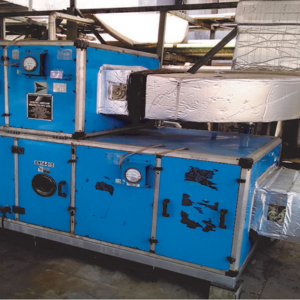
Clean room environments are critical in industries where contamination control is paramount, including pharmaceuticals, biotechnology, electronics, healthcare, and food processing. The Air Handling Unit (AHU) forms the backbone of any clean room system, ensuring precise environmental control through filtration, temperature regulation, and air circulation management. Selecting the right AHU clean room system manufacturer is a decision that can significantly impact your facility’s operational efficiency, compliance standards, and long-term success.
When searching for AHU Clean Room System manufacturers in Ahmedabad or any location, understanding the key selection criteria becomes essential for making an informed decision. This comprehensive guide explores the critical factors that should influence your choice of manufacturer, ensuring you partner with a company that delivers quality, reliability, and value.
Understanding AHU Clean Room Systems
Air Handling Units for clean room applications are sophisticated systems designed to maintain controlled environments with specific parameters for air quality, temperature, humidity, and pressure differentials. These systems incorporate advanced filtration technologies, including HEPA and ULPA filters, along with precise monitoring and control mechanisms to meet stringent clean room classifications ranging from ISO Class 1 to ISO Class 9.
The complexity of clean room AHU systems necessitates manufacturers with specialized expertise, advanced manufacturing capabilities, and a deep understanding of regulatory requirements across various industries. This makes the selection process particularly crucial for ensuring optimal performance and compliance.
Technical Expertise and Industry Experience
The foremost consideration when evaluating AHU clean room system manufacturers is their technical expertise and industry experience. Look for manufacturers that demonstrate a comprehensive understanding of clean room standards, including ISO 14644, FDA guidelines, EU GMP requirements, and industry-specific regulations.
Experienced manufacturers understand the nuances of different clean room applications and can provide tailored solutions that meet specific operational requirements. They should have a proven track record of successfully implementing clean room projects across various industries, with the ability to showcase case studies and client testimonials that demonstrate their capability.
Consider manufacturers who invest in continuous research and development, staying updated with evolving technologies and regulatory changes. This commitment to innovation ensures that their systems incorporate the latest advancements in filtration technology, energy efficiency, and automation capabilities.
Manufacturing Quality and Standards
Quality manufacturing processes are fundamental to producing reliable AHU clean room systems. Evaluate manufacturers based on their quality management systems, certifications, and adherence to international standards. Look for companies that maintain ISO 9001 certification for quality management and other relevant industry certifications.
The manufacturing facility itself should reflect the quality standards expected in their products. Well-organized production facilities with advanced manufacturing equipment, skilled technicians, and robust quality control processes indicate a manufacturer’s commitment to excellence. Request facility visits when possible to assess their manufacturing capabilities firsthand.
Pay attention to the materials and components used in their systems. High-quality manufacturers use premium materials, reliable components from reputable suppliers, and employ rigorous testing procedures to ensure product reliability and longevity.
Customization Capabilities
Clean room requirements vary significantly across applications, making customization capabilities a crucial selection factor. The ideal manufacturer should offer flexible design options that can accommodate specific spatial constraints, performance requirements, and operational preferences.
Customization extends beyond basic system modifications to include specialized features such as integrated monitoring systems, redundancy options, energy recovery systems, and compatibility with existing infrastructure. Manufacturers should demonstrate the ability to work closely with clients during the design phase, providing technical consultation and engineering support to optimize system performance.
Consider manufacturers who offer modular designs that allow for future expansion or modification as your facility’s requirements evolve. This flexibility can provide significant cost savings and operational advantages over the system’s lifecycle.
Energy Efficiency and Sustainability
With increasing focus on environmental responsibility and operational cost reduction, energy efficiency has become a critical consideration in clean room system selection. Evaluate manufacturers based on their commitment to developing energy-efficient solutions that minimize environmental impact while maintaining required performance standards.
Look for systems that incorporate advanced technologies such as variable frequency drives (VFDs), intelligent controls, heat recovery systems, and optimized airflow designs. These features can significantly reduce energy consumption and operational costs over the system’s lifetime.
Manufacturers should be able to provide energy consumption data, efficiency ratings, and lifecycle cost analyses to help you make informed decisions. Additionally, consider their commitment to sustainable manufacturing practices and use of environmentally friendly materials and processes.
Compliance and Regulatory Knowledge
Clean room systems must comply with numerous regulations and standards that vary by industry and application. The manufacturer’s knowledge of regulatory requirements and their ability to ensure compliance is crucial for avoiding costly delays and ensuring operational approval.
Manufacturers should demonstrate familiarity with relevant standards such as ISO 14644 for clean room classification, FDA 21 CFR Part 11 for electronic records, EU GMP guidelines for pharmaceutical manufacturing, and industry-specific requirements for electronics, aerospace, or medical device manufacturing.
Look for manufacturers who provide comprehensive documentation, validation protocols, and support for regulatory inspections. Their ability to assist with qualification processes, including Installation Qualification (IQ), Operational Qualification (OQ), and Performance Qualification (PQ), is particularly valuable.
Local Presence and Support Services
When considering AHU Clean Room System manufacturers in Ahmedabad, local presence offers significant advantages in terms of project coordination, installation support, and ongoing maintenance services. Local manufacturers or those with established regional offices can provide faster response times, better understanding of local conditions, and more cost-effective services.
Evaluate the manufacturer’s service network, technical support capabilities, and maintenance programs. Comprehensive support services should include preventive maintenance, emergency repairs, spare parts availability, and technical training for your operational staff.
Consider the manufacturer’s ability to provide remote monitoring and diagnostic services, which can enhance system reliability and reduce downtime. Advanced manufacturers offer IoT-enabled systems that allow for real-time monitoring and predictive maintenance capabilities.
Technology Integration and Innovation
Modern clean room systems benefit from integration with advanced technologies such as Building Management Systems (BMS), real-time monitoring systems, and data analytics platforms. Evaluate manufacturers based on their ability to incorporate these technologies into their systems.
Look for systems that offer comprehensive monitoring and control capabilities, including real-time data collection, alarm systems, and trend analysis. Integration with existing facility management systems can provide operational efficiencies and improved oversight of clean room conditions.
Consider manufacturers who demonstrate innovation in their product offerings, incorporating emerging technologies such as artificial intelligence for predictive maintenance, advanced sensors for improved monitoring accuracy, and cloud-based platforms for remote system management.
Cost Considerations and Value Proposition
While cost is always a significant factor, it’s important to evaluate the total cost of ownership rather than just the initial purchase price. Consider factors such as energy efficiency, maintenance requirements, system reliability, and expected lifespan when assessing value.
Request detailed quotations that include all system components, installation services, commissioning, and training. Compare offerings from multiple manufacturers to understand market pricing and identify the best value proposition for your specific requirements.
Consider financing options, warranty terms, and service agreements when evaluating the overall investment. Some manufacturers offer performance guarantees or extended warranty programs that can provide additional value and peace of mind.
Client References and Case Studies
A manufacturer’s reputation and track record provide valuable insights into their reliability and performance. Request client references from similar applications and industries to gain firsthand feedback about their experiences.
Review case studies that demonstrate the manufacturer’s ability to handle projects of similar scope and complexity to your requirements. Pay attention to project timelines, challenges encountered, and how they were addressed, as well as long-term system performance.
Consider reaching out to existing clients directly to discuss their experiences with the manufacturer’s products, installation process, and ongoing support services. This feedback can provide valuable insights that may not be apparent from marketing materials or sales presentations.
Future-Proofing and Scalability
Clean room requirements often evolve due to changing regulations, production needs, or facility expansions. Select manufacturers who design systems with future modifications and expansions in mind.
Consider systems that offer modular designs, standardized components, and upgrade paths that can accommodate changing requirements without requiring complete system replacement. This approach can provide significant cost savings and operational continuity.
Evaluate the manufacturer’s commitment to ongoing product development and their ability to provide upgrade options as new technologies become available. A forward-thinking manufacturer will help ensure your investment remains relevant and effective over its operational lifetime.
Conclusion
Selecting the right AHU clean room system manufacturer requires careful evaluation of multiple factors that extend beyond basic system specifications and pricing. Technical expertise, manufacturing quality, customization capabilities, regulatory knowledge, and ongoing support services all play crucial roles in ensuring successful project implementation and long-term operational success.
For organizations seeking AHU Clean Room System manufacturers in Ahmedabad, companies like Protech Air System represent the type of specialized expertise and local presence that can provide significant advantages. The key is to thoroughly evaluate potential partners against all relevant criteria, ensuring alignment with your specific requirements and long-term objectives.
By taking a comprehensive approach to manufacturer selection, you can ensure that your clean room system investment delivers optimal performance, regulatory compliance, and operational efficiency throughout its lifecycle. The time invested in thorough evaluation during the selection process pays dividends in system reliability, reduced operational costs, and peace of mind knowing that your critical clean room environment is supported by a capable and reliable partner.
